Meet Dr. Paul Miller
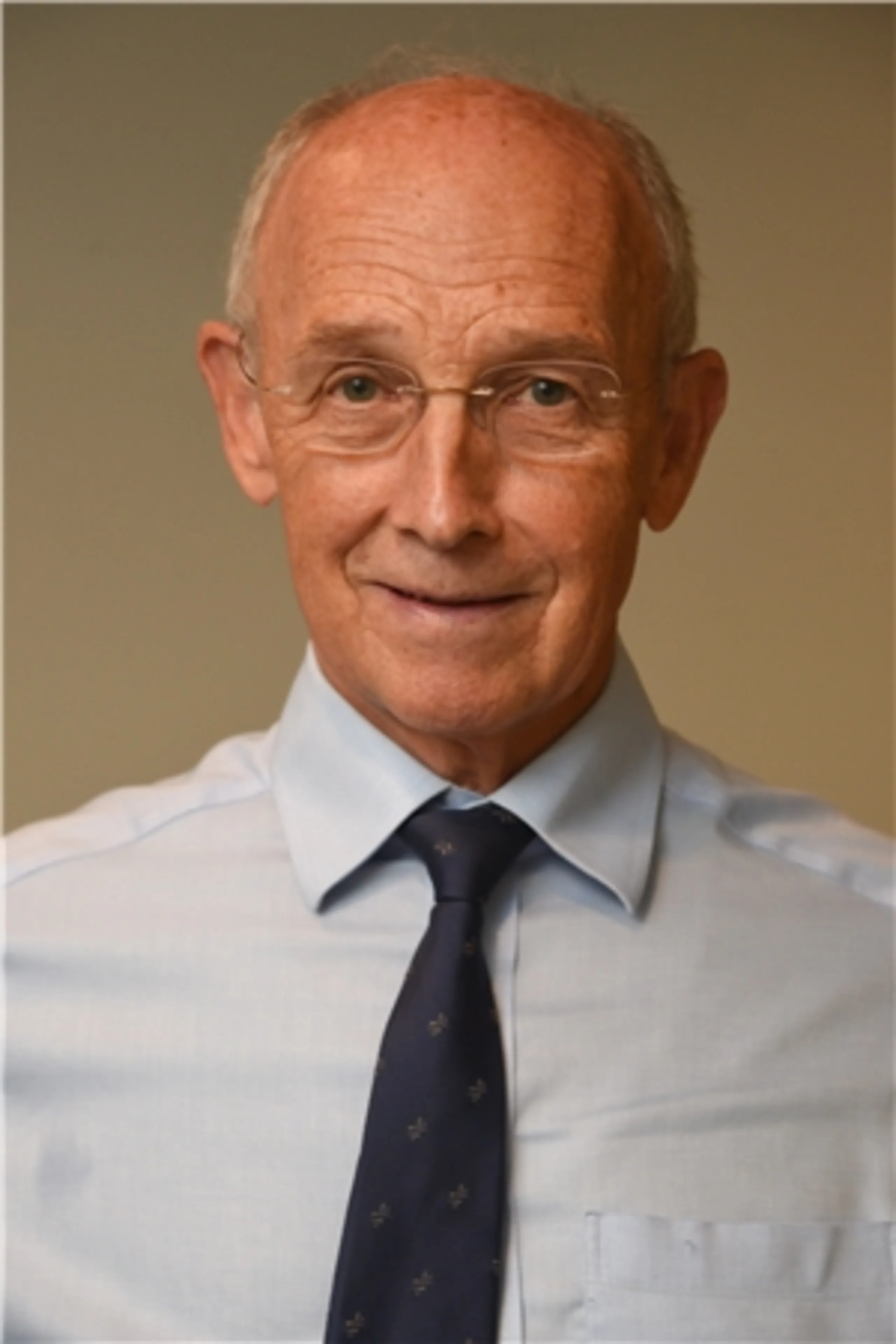
Dr. Miller helps people with back, neck, and joint pain return to the activities they enjoy. His care is guided by a neurologically informed approach and built around practical steps: precise, hands‑on adjustments; simple exercises you can actually do; and, when helpful, modern tools like the Balance Tracking System (a computerized steadiness score), low‑level (Class III) laser, and shockwave therapy. Every plan traces the same loop—clarify sensory input, help the brain update its model, then reinforce motor output so movement and even blood vessel tone respond with less effort. After we identify the underlying cause—the mobility, control, or tissue‑irritability pattern most holding you back—you’ll choose a right‑sized plan that fits your goals and schedule, and we’ll measure progress so you can see what’s helping.
“In my early twenties, after too many miles on the road, my lower back gave out. A friend suggested chiropractic care. I was skeptical at first, and I didn’t want painkillers or surgery, so I had nothing to lose. I booked an appointment and saw Dr. Ernie Landi. I could barely stand up straight when I arrived; after a few adjustments I was comfortable and upright again. He helped me heal and became a mentor. I’d been interested in healthcare, but hadn’t found a path that fit my beliefs. Chiropractic changed that and my new career began.” ~ Dr. Paul Miller
Training & Experience
- Doctor of Chiropractic (DC) — New York Chiropractic College, 1979
Pre‑chiropractic studies at Fairfield University and the University of Bridgeport - Master of Science (MS), Human Nutrition — University of Bridgeport
- Diplomate, American Board of Chiropractic Orthopedists (DABCO) — board‑certified chiropractic orthopedist
- American Chiropractic Neurology Board (ACNB) board eligible — advanced post‑doctoral training in neurologic chiropractic care
- Founder, Cranbury Chiropractic Center — Norwalk, CT (est. 1979)
- Member, American Chiropractic Association
- Invited speaker, Norwalk Hospital — presented on non‑surgical approaches to low back pain (1997)
Philosophy & Approach
- Neurologically informed: check how your spine, joints, muscles, eyes, and inner ear communicate with the brain, then target what’s most limiting you.
- Precise adjustments: diversified technique for the spine and extremities when it’s the right fit.
- Active care: brief, practical exercises so improvements last.
- Modern tools when useful: Balance Tracking System, low‑level (Class III) laser, and ESWT shockwave for stubborn areas.
- Measure & adapt: short re‑checks to confirm what’s working and adjust the plan together.
Types of Care
- Neurologic Approach — improve how your nervous system supports movement.
- Full‑Spine & Extremities — precise joint work for spine and limbs.
- Balance & Stability — targeted vision/vestibular/proprioceptive work with a trackable score.
- Diversified Technique — a hands‑on, traditional chiropractic method.
- Cold Laser Therapy — gentle photobiomodulation to support recovery.
- Shockwave Therapy (ESWT) — non‑invasive option for stubborn spots.
Areas of Focus
- Back and neck pain; tension‑type headaches related to neck issues
- Hip, knee, ankle, shoulder, and wrist pain tied to mobility or control
- Balance and stability concerns suited to a musculoskeletal/neurologic approach
- Post‑injury return to activity when it’s safe to progress
- “Doesn’t feel normal yet” after basic rehab
Outside the Clinic
When he’s not in the office, Dr. Miller is usually in motion or outside. He’s an avid mountain biker and skier and keeps his legs fresh with indoor spin sessions. At home, he tends a few beehives and helps his wife, Pat, in the garden. They raised two sons, Alex and Mike, and enjoy spending time with their family. He also loves to travel, explore new trails, and bring back ideas that keep the clinic fresh.